

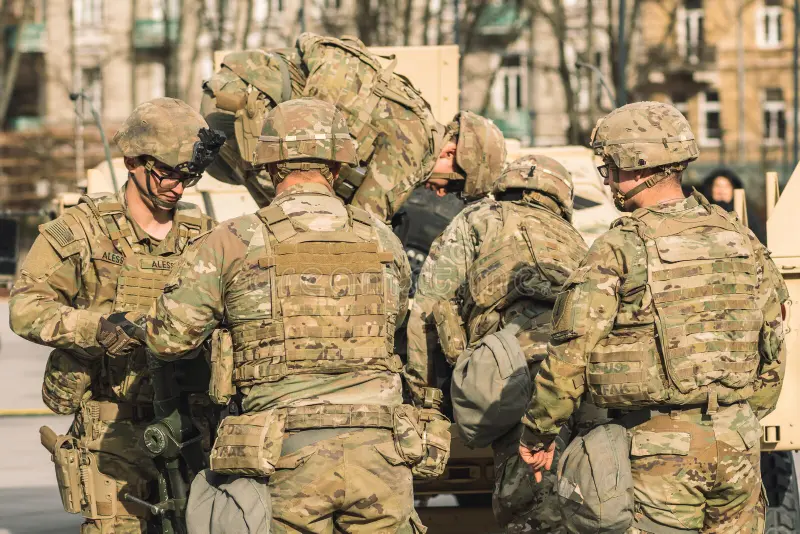
Transitioning from military service to civilian life can feel both exciting and overwhelming. You’ve spent years building leadership skills, managing complex operations, and making critical decisions under pressure, but translating that experience into a civilian career isn’t always straightforward.
The good news is that your military experience is a powerful asset if you know how to present it effectively. By understanding how civilian employers think, highlighting transferable skills, and strategically planning your career path, you can turn your military background into long-term professional success.
Recognize the Value of Your Military Experience
Your military career has equipped you with skills that many civilian employers highly value, including leadership, problem-solving, adaptability, and project management. The challenge is presenting these skills in a way that makes sense in a civilian context.
Instead of focusing on rank or titles, emphasize measurable outcomes. For example, instead of saying, “Led a platoon of 40 soldiers,” you could frame it as, “Managed a team of 40 personnel, improving operational efficiency and team performance by 20%.” Highlighting results helps employers understand the real-world impact of your experience.
Identify and Translate Transferable Skills
Every military role involves skills that apply to civilian careers. Leadership, communication, teamwork, and project management are highly transferable. The key is to translate them into a language that civilian employers understand.
Take time to review your responsibilities and accomplishments, then reframe them in business terms. This ensures that your resume and interviews clearly convey your value.
Build a Civilian Network
Networking is crucial for career success. Many service members underestimate the importance of professional connections outside the military industry. Building a civilian network can open doors that online applications alone cannot.
Start by updating your LinkedIn profile and attending veteran-focused career events. Informational interviews with professionals in your desired field can provide insights and even lead to job opportunities. Your network often becomes one of your most valuable assets in a civilian job search.
Leverage Transition Programs
The military offers programs like the Transition Assistance Program (TAP) to help service members navigate civilian career planning, resume writing, and interviewing skills. Taking full advantage of these programs provides practical tools, confidence, and guidance that significantly improve your chances of success.
Mentorship opportunities, career workshops, and VA resources also provide valuable support during this transition. Engaging with these resources early gives you a competitive edge.
Tailor Your Resume and Online Presence
Your resume is often the first impression civilian employers will have of you. Avoid military jargon and focus on your achievements, leadership roles, and measurable outcomes. Include relevant certifications or volunteer experience to demonstrate versatility.
Additionally, review your online presence. A professional LinkedIn profile and clean social media accounts reinforce your personal brand and credibility. Employers increasingly research candidates online before interviews, so maintaining a polished digital footprint is essential.
Prepare for Cultural Adjustments
Civilian workplaces operate differently from the military. Hierarchies, communication styles, and organizational norms may feel unfamiliar. Understanding these differences and being willing to adapt will help you integrate smoothly. Embrace flexibility and view your transition as an opportunity to learn and grow.
Consider Education and Certification
Depending on your civilian career goals, additional education or certifications can give you a competitive advantage. Options might include project management certifications, IT credentials, or business degrees. Completing relevant courses before leaving the military boosts confidence and credibility in your new field.
Plan Financially
Financial readiness is essential. Understand how your military pension, Thrift Savings Plan (TSP), and VA benefits will support you after service. Plan for healthcare transitions and potential gaps in income. A well-prepared financial plan allows you to focus on career and personal goals rather than stress about expenses.
Conclusion
Turning your military experience into civilian career success is entirely possible with the right preparation and approach. The key steps include recognizing the value of your experience, translating your skills into civilian terms, building a professional network, and leveraging transition programs. Tailor your resume, prepare for cultural and financial adjustments, and consider further education or certifications to strengthen your position.
Your military career has given you discipline, leadership, resilience, and problem-solving abilities, qualities that are highly sought after in civilian roles. With thoughtful planning, proactive networking, and a clear strategy, you can successfully turn your military experience into a rewarding civilian career and thrive in your next chapter.


